Sewer Line Repair
Sewer line problems can affect several drains and fixtures at once, making them more disruptive than a typical household clog. Recurring backups, sewage odors, gurgling toilets, slow drainage throughout the home, or unexplained wet areas in the yard may indicate that the underground line needs to be evaluated.
We provide sewer line diagnostics, targeted repairs, excavation, and replacement services for homeowners throughout the Dayton area. Our team works to identify where the problem is located, explain the condition of the line, and recommend a practical solution based on the extent of the damage rather than assuming the entire sewer must be replaced.
Get Plumbing Help FAST
Landing Page Form
Understanding the Role of Your Home’s Sewer Line
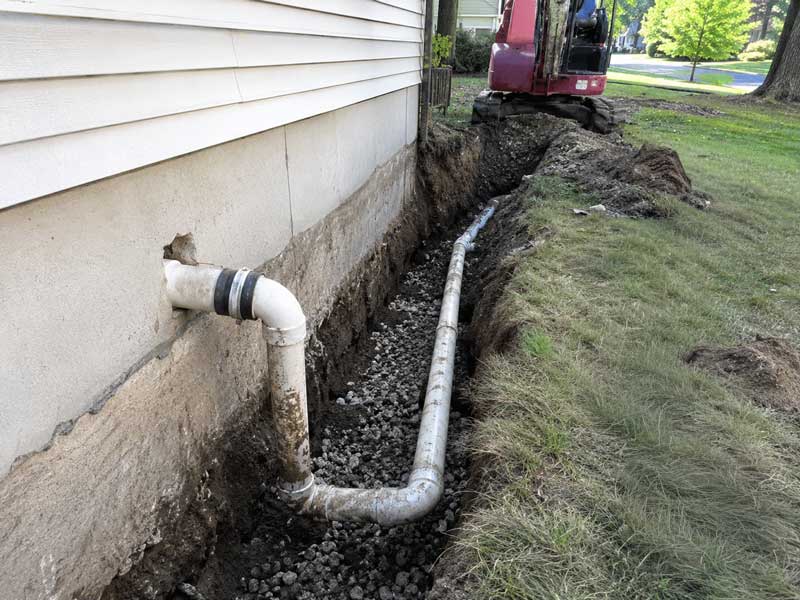
Your main sewer line carries wastewater away from toilets, sinks, showers, tubs, laundry equipment, and other connected fixtures. Because those drains eventually lead into the same underground line, damage or blockage in the sewer can create symptoms in several parts of the home.
A sewer problem does not always mean the line has completely failed. The issue may involve a localized blockage, root intrusion, a separated joint, a damaged section, poor slope, corrosion, or deterioration affecting a larger portion of the pipe. Identifying the type and location of the problem helps determine whether cleaning, a targeted repair, or replacement is the more appropriate response.
We begin by reviewing the symptoms and evaluating the line with the diagnostic methods appropriate for the situation. When excavation is needed, we focus on clean, careful work, clear communication, and restoring the disturbed area as responsibly as site conditions allow. Guardian has specifically identified excavation and sewer work as a major service focus.
Signs You May Need Sewer Line Repair
Many sewer problems develop gradually before becoming emergencies. Watch for these common warning signs:
Multiple Drain Backups
If several drains throughout the home are backing up simultaneously, the problem is often located in the sewer line.
Sewage Odors
Persistent sewer smells inside or outside the home often indicate a damaged or leaking sewer pipe.
Slow Drains Throughout the Home
When multiple fixtures drain slowly, sewer line restrictions are frequently the cause.
Wet Spots in the Yard
Unexpected soggy areas, standing water, or muddy spots can indicate an underground sewer leak.
Unusually Green Grass
A leaking sewer line can act as fertilizer, causing portions of your lawn to become noticeably greener.
Gurgling Toilets
Air trapped by sewer line restrictions often causes toilets to bubble or gurgle.
What Causes Sewer Line Damage?
Underground sewer lines are affected by the pipe material, age, soil conditions, installation quality, nearby trees, and how the system has been used over time. In many cases, more than one condition contributes to the problem.
Tree Root Intrusion
Tree roots are naturally drawn toward moisture and may enter a sewer line through cracks, loose joints, or deteriorated connections. Once inside, roots can restrict flow, collect waste, and place additional pressure on already weakened piping.
Aging or Deteriorated Pipe Materials
Older clay, cast iron, and other sewer materials may crack, corrode, become rough internally, or lose strength with age. Deterioration can reduce flow and make the line more vulnerable to roots, movement, and recurring blockages.
Shifting Soil and Ground Movement
Soil settlement, freeze-thaw cycles, erosion, and changes around the property can place stress on an underground pipe. Movement may alter the slope of the line, separate joints, or cause sections to crack or collapse.
Heavy Buildup and Recurring Blockages
Grease, debris, scale, and other material can gradually reduce the usable space inside a sewer line. A blockage may be cleared temporarily, but repeated problems can indicate that the pipe has an underlying condition that should be evaluated.
Pipe Separation or Poor Alignment
Sewer pipe sections can shift apart or become misaligned over time. Separated joints may allow wastewater to escape, soil to enter the line, or roots to grow through the opening.
Improper Installation or Previous Repairs
Incorrect slope, inadequate support, poor connections, or improperly completed repairs can contribute to drainage problems and premature failure. A camera inspection and site evaluation can help identify when the problem is related to the way the line was installed or modified.
Why Homeowners Choose Guardian Plumbing
Locally Owned.
Guardian Plumbing isn’t a national franchise. We’re a local company serving homeowners. Our reputation is built one customer at a time.

Upfront Pricing
No surprises. No hidden fees. Before any work begins, we’ll explain the problem, discuss your options, and provide transparent pricing.

Licensed & Insured
Every Guardian plumber is properly trained, licensed, and insured to perform residential plumbing work safely and correctly.

Work Backed by a Guarantee
We stand behind our workmanship. If there’s an issue with our work, we’ll make it right.

Same-Day Service Available
Many plumbing problems can’t wait. We offer same-day service whenever scheduling allows and emergency service.
How We Diagnose Sewer Problems
Step 1
Sewer Camera Inspection
A high-definition sewer camera allows us to inspect the inside of the pipe and identify the exact cause of the problem.
Step 2
Pipe Location Technology
Advanced locating equipment helps identify the precise location and depth of the issue.
Step 3
Flow Evaluation
We assess how wastewater is moving through the system.
Step 4
Condition Assessment
Our team evaluates whether repair or replacement is the better long-term solution.
Sewer Repair or Sewer Replacement
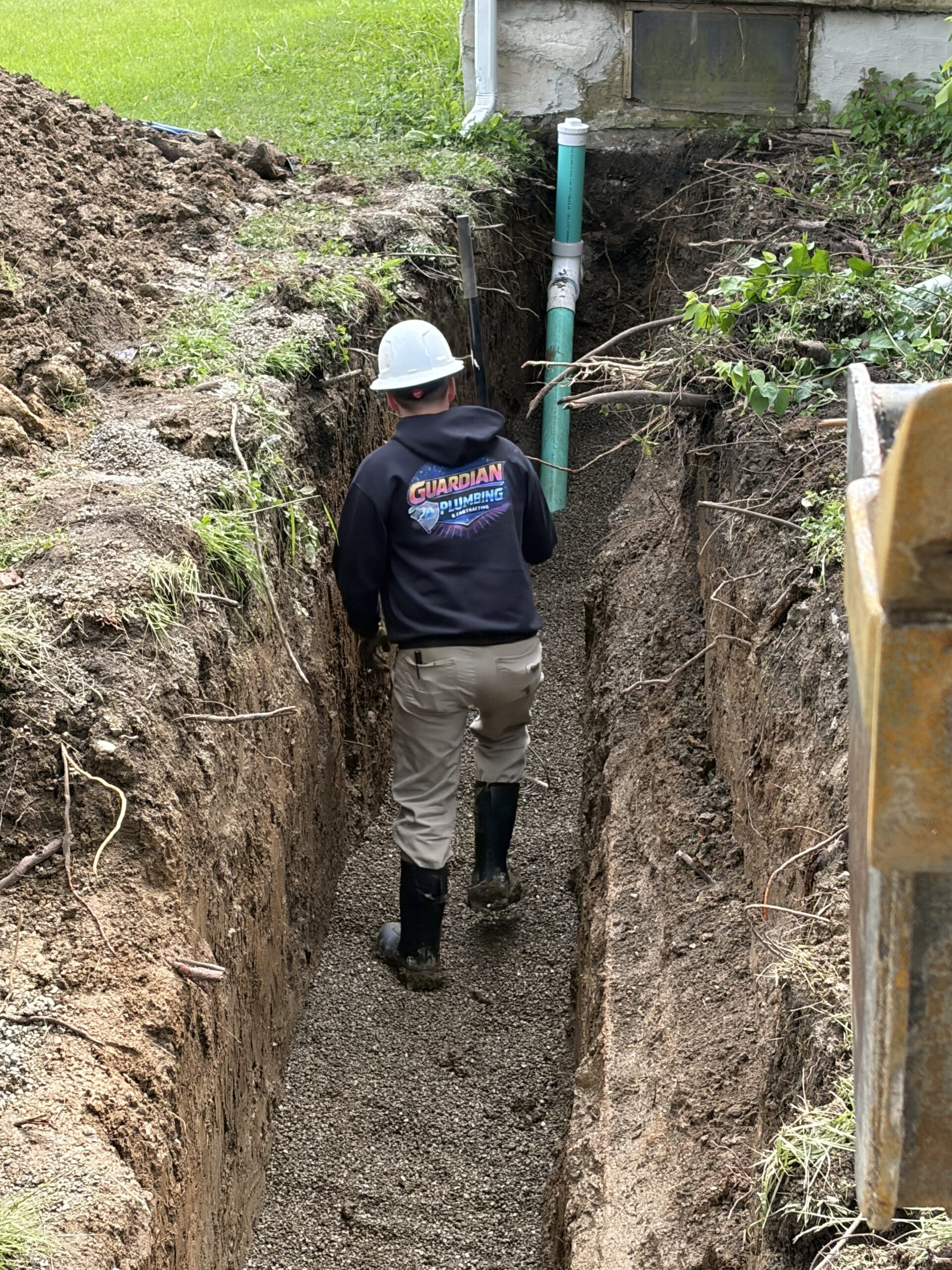
The choice between repair and replacement depends on the location, severity, and overall condition of the sewer line. A camera inspection can provide useful information, but the surrounding site, pipe material, repair history, and accessibility also affect the recommendation.
A targeted repair may be appropriate when the damage is limited to one section and the remaining pipe is still in serviceable condition. This may involve excavating the affected area, removing the damaged portion, and reconnecting the line with compatible materials.
Replacement may be more practical when the pipe has failed in several areas, collapsed, developed widespread corrosion, or required repeated repairs. It may also be recommended when correcting one damaged section would leave other deteriorated portions likely to fail soon afterward.
We explain what was found and discuss the available options before work begins. The goal is to provide a durable repair without replacing more of the system than the situation reasonably requires.
Serving Dayton and the Surrounding Communities
Guardian Plumbing proudly serves homeowners throughout:
Dayton | Centerville | Kettering | Beavercreek | Springboro | Bellbrook | Miamisburg | Fairborn | Xenia | Washington Township | Oakwood | Sugarcreek Township
Not sure if you’re within our service area? Give us a call.
Traditional vs. Trenchless Sewer Repair
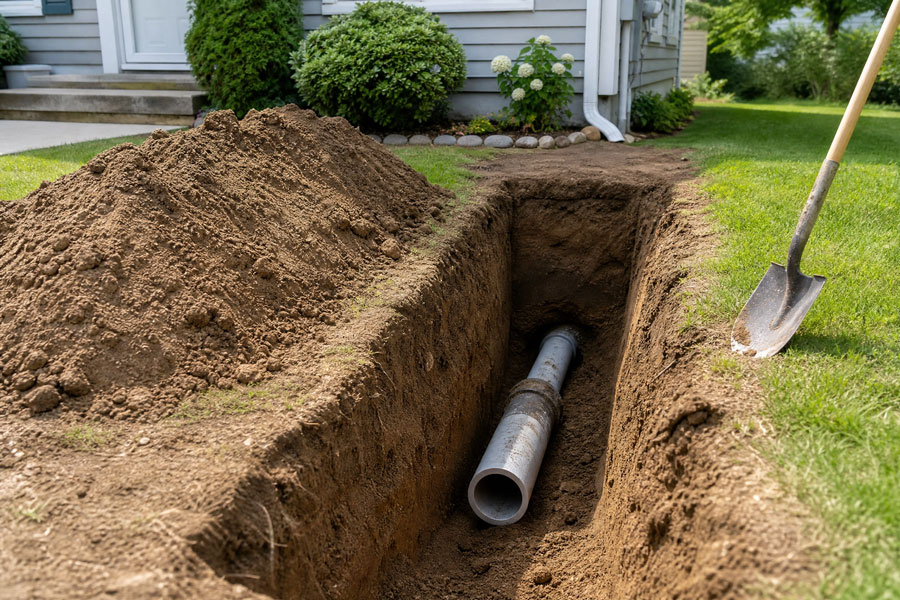
Traditional Sewer Repair
Traditional sewer repair uses excavation to expose the damaged section of pipe directly. This approach gives us full access to remove broken materials, correct alignment or slope concerns, and replace the affected section when the line has collapsed, shifted, or developed extensive damage.
Best for:
- Collapsed or severely damaged sewer lines
- Major alignment or slope problems
- Repairs that require direct access to the pipe
- Situations where trenchless methods are not practical
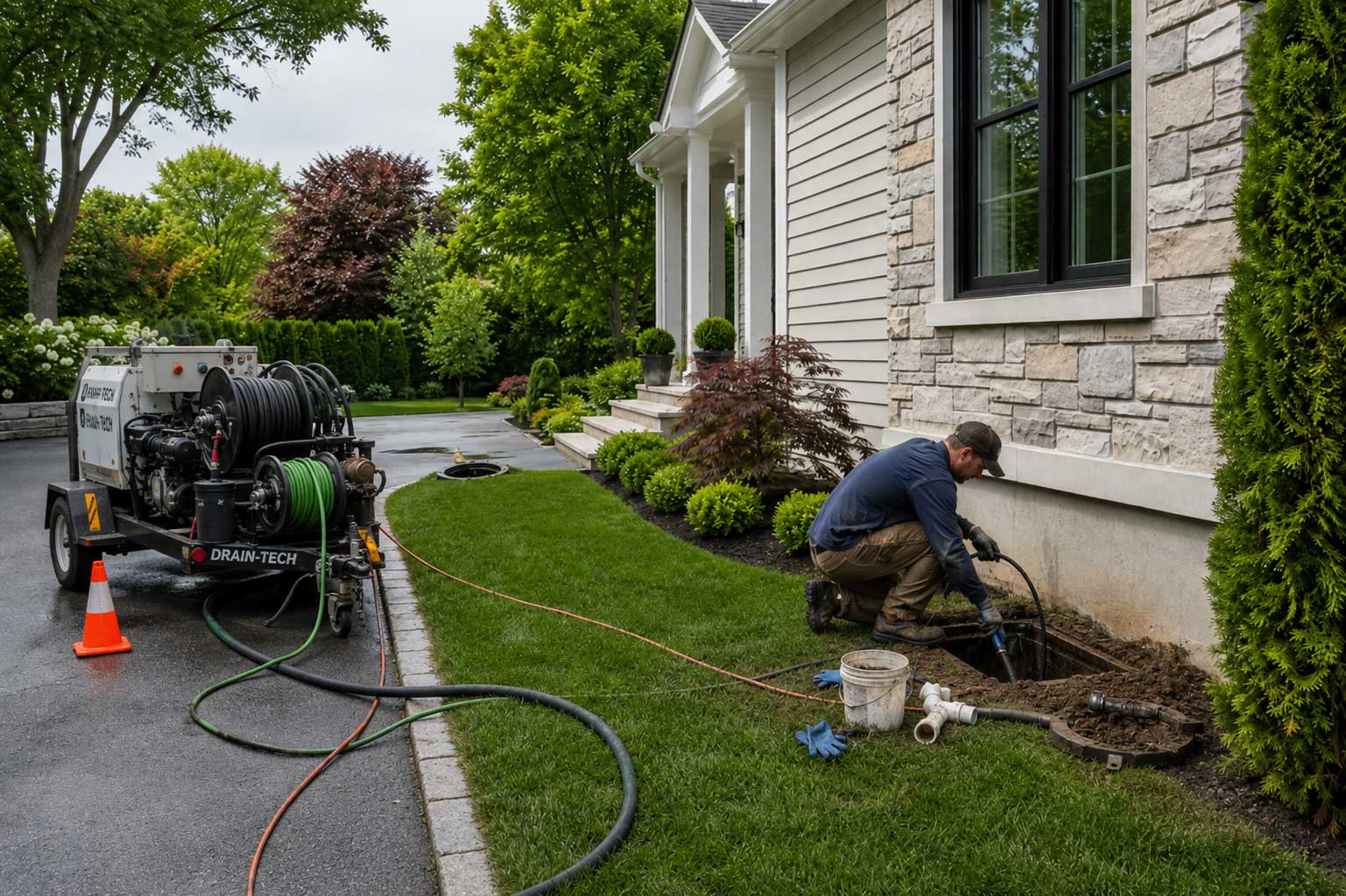
Trenchless Sewer Repair
Trenchless sewer repair uses smaller access points to repair or replace certain underground lines with less surface disruption than a fully open trench. Depending on the condition of the pipe, methods such as lining or pipe bursting may reduce the amount of digging needed across the yard.
Best for:
- Lines with suitable access and alignment
- Properties where limiting surface disturbance is important
- Certain cracks, leaks, or deteriorated pipe sections
- Homeowners seeking less invasive solutions
Sewer Line Repair FAQ
How do I know if my sewer line is damaged?
Common signs include recurring backups, sewage odors, slow drains, wet spots in the yard, and multiple plumbing fixtures experiencing problems simultaneously.
Can tree roots damage a sewer line?
Absolutely. Root intrusion is one of the most common causes of sewer line damage throughout Ohio.
How long does sewer line repair take?
Project timelines vary depending on the location, accessibility, and severity of the damage.
Can a cracked sewer pipe be repaired?
Yes. Many cracked sewer lines can be repaired without replacing the entire system.
Will my yard need to be dug up?
Not always. Trenchless repair options may be available depending on the condition of the pipe.
How much does sewer line repair cost?
Costs vary based on the type of damage, accessibility, repair method, and overall scope of work.
Is sewer line repair covered by homeowners insurance?
Coverage depends on the cause of the damage and your specific policy. We recommend consulting your insurance provider.
Can a sewer line collapse?
Yes. Aging pipes, root intrusion, ground movement, and deterioration can all contribute to collapse.
Should I repair or replace my sewer line?
The answer depends on the overall condition of the pipe. A camera inspection provides the information needed to make an informed decision.
Complete Residential Plumbing Services
Your plumbing system is one of the most important systems in your home.
From delivering clean water to safely removing wastewater, every pipe, fixture, and appliance works together to keep your household running smoothly.
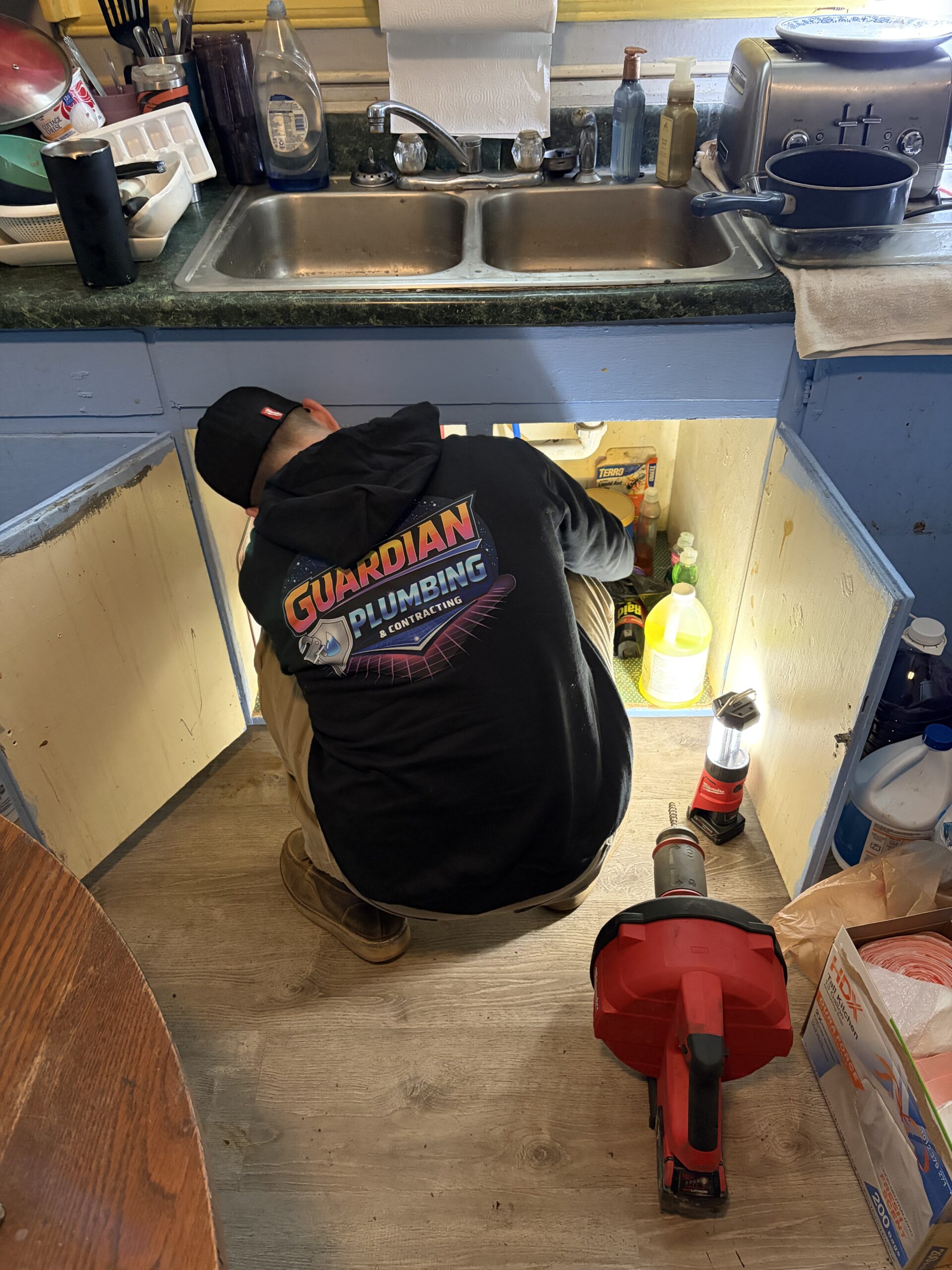
Plumbing Repair
Leaky pipes, low water pressure, dripping faucets, running toilets, fixture problems, and general plumbing repairs.
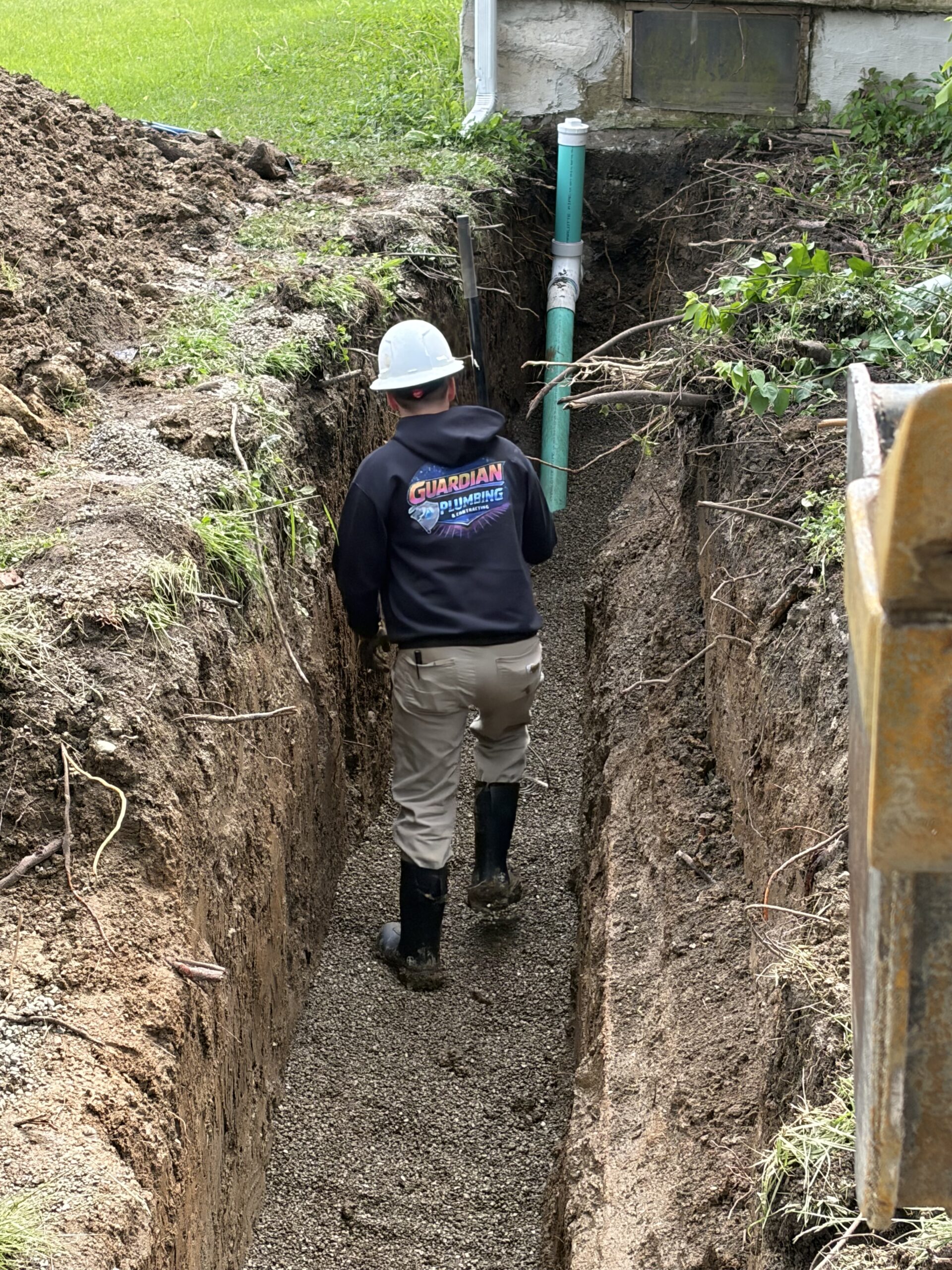
Emergency Plumbing
Emergency service for burst pipes, active leaks, sewage backups, water heater failures, and urgent plumbing issues.
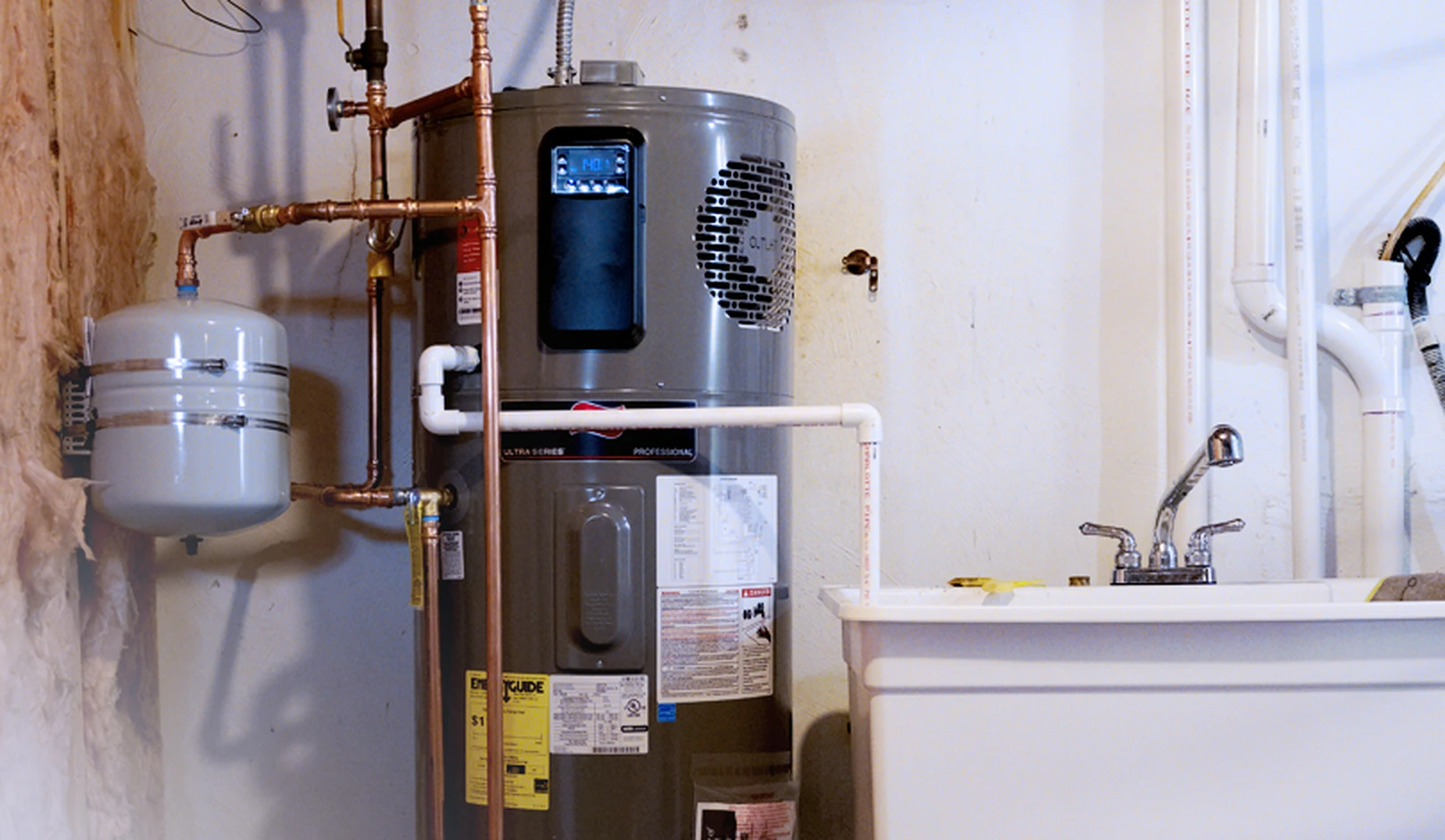
Water Heater Services
Water heater repair, replacement, installation, maintenance, and tankless water heater upgrades.
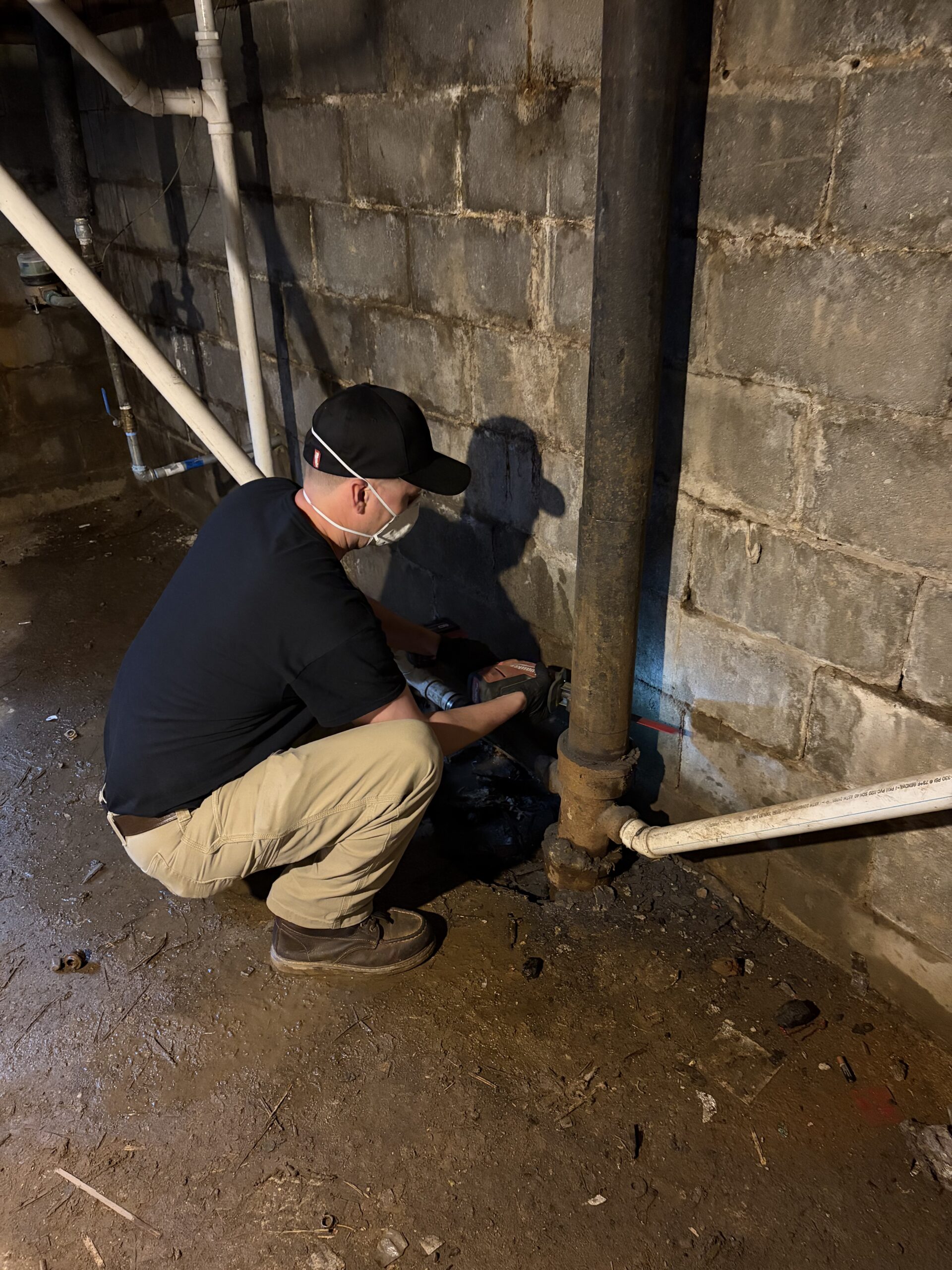
Drain Cleaning
Professional drain cleaning, main sewer line cleaning, hydro jetting, and camera inspections to restore proper flow and prevent recurring backups.
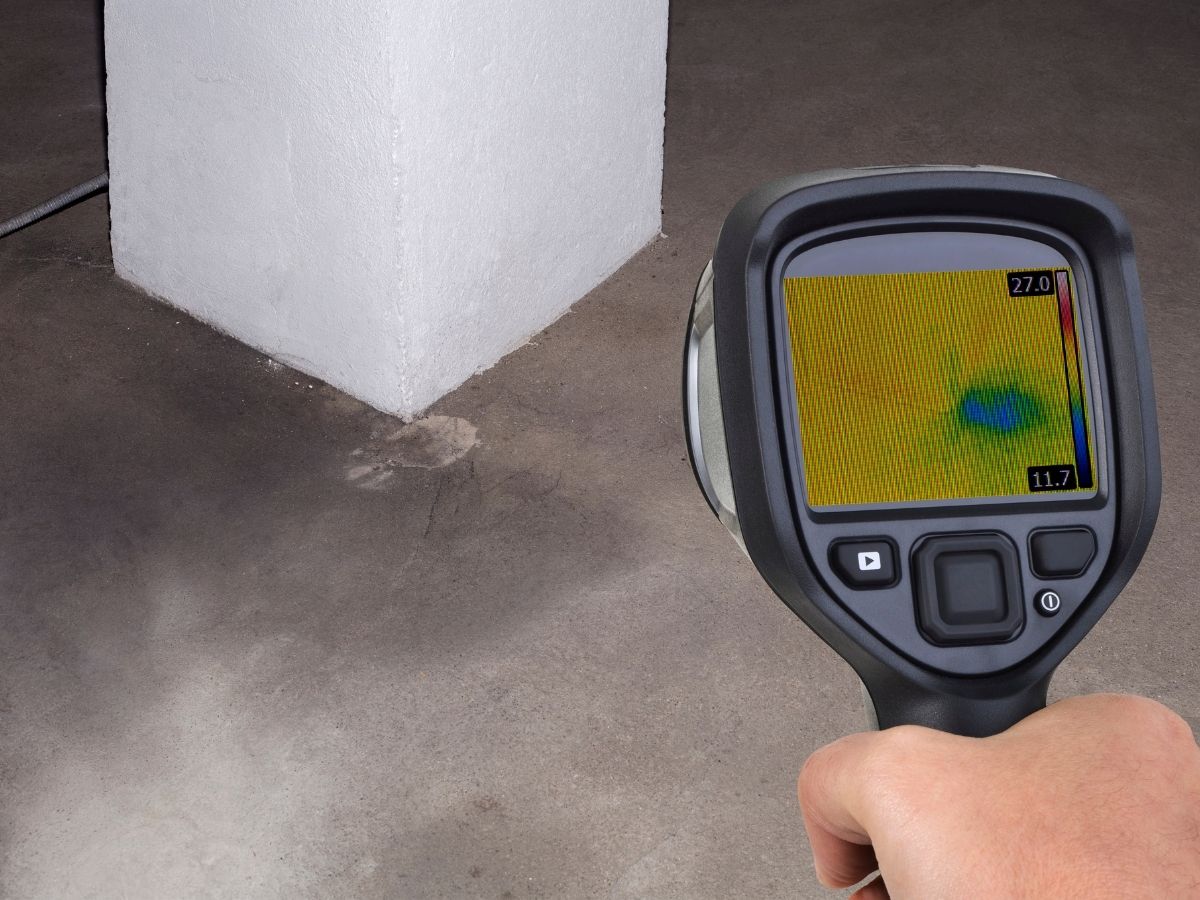
Leak Detection
Advanced leak detection technology helps locate hidden leaks behind walls, beneath floors, and under concrete slabs without unnecessary demolition.
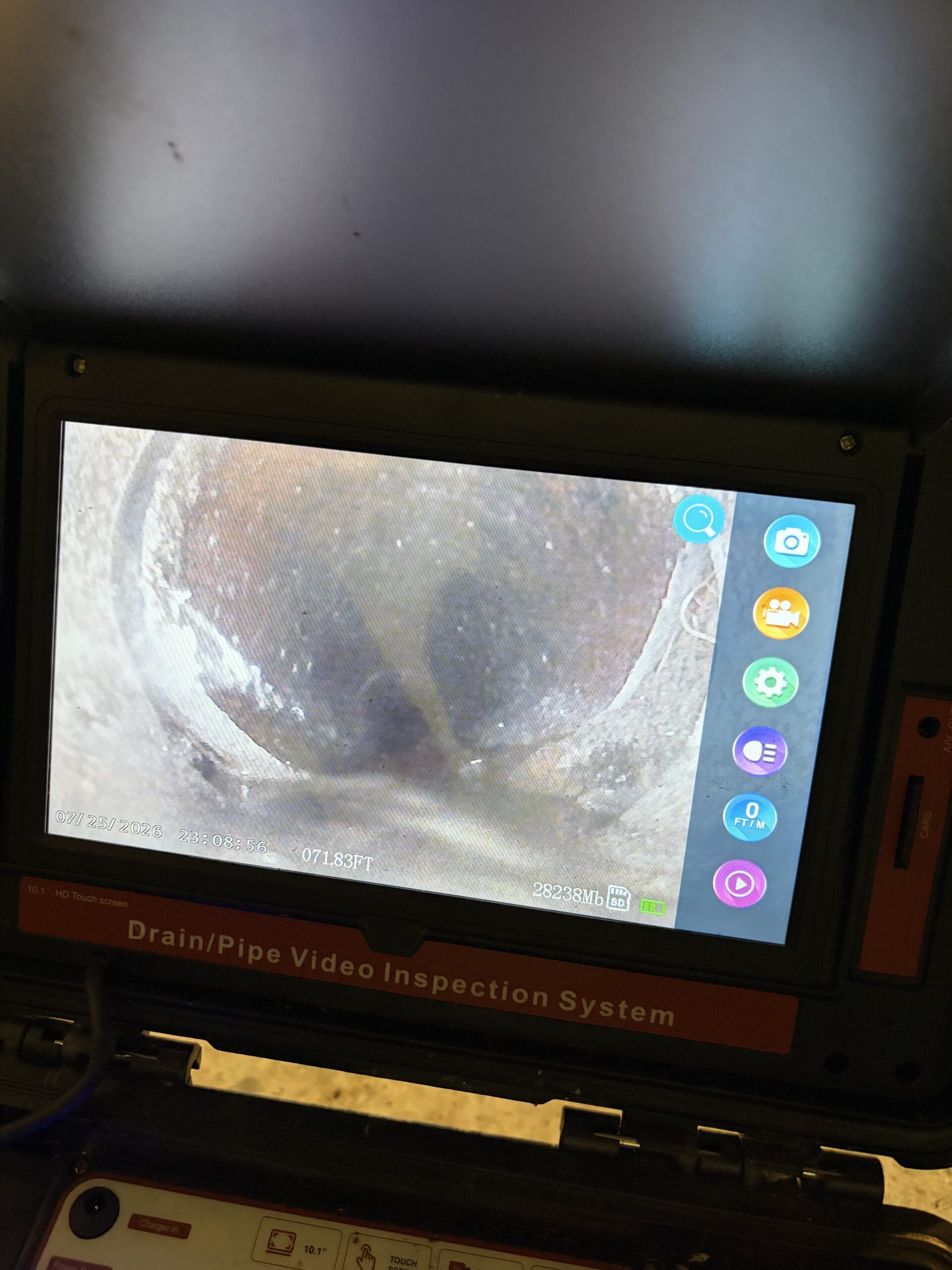
Sewer Services
Sewer inspections, sewer repairs, trenchless sewer solutions, root intrusion removal, and complete sewer line replacement.

Water Quality Solutions
Water softeners, filtration systems, and water quality improvements designed specifically for Dayton-area homes.
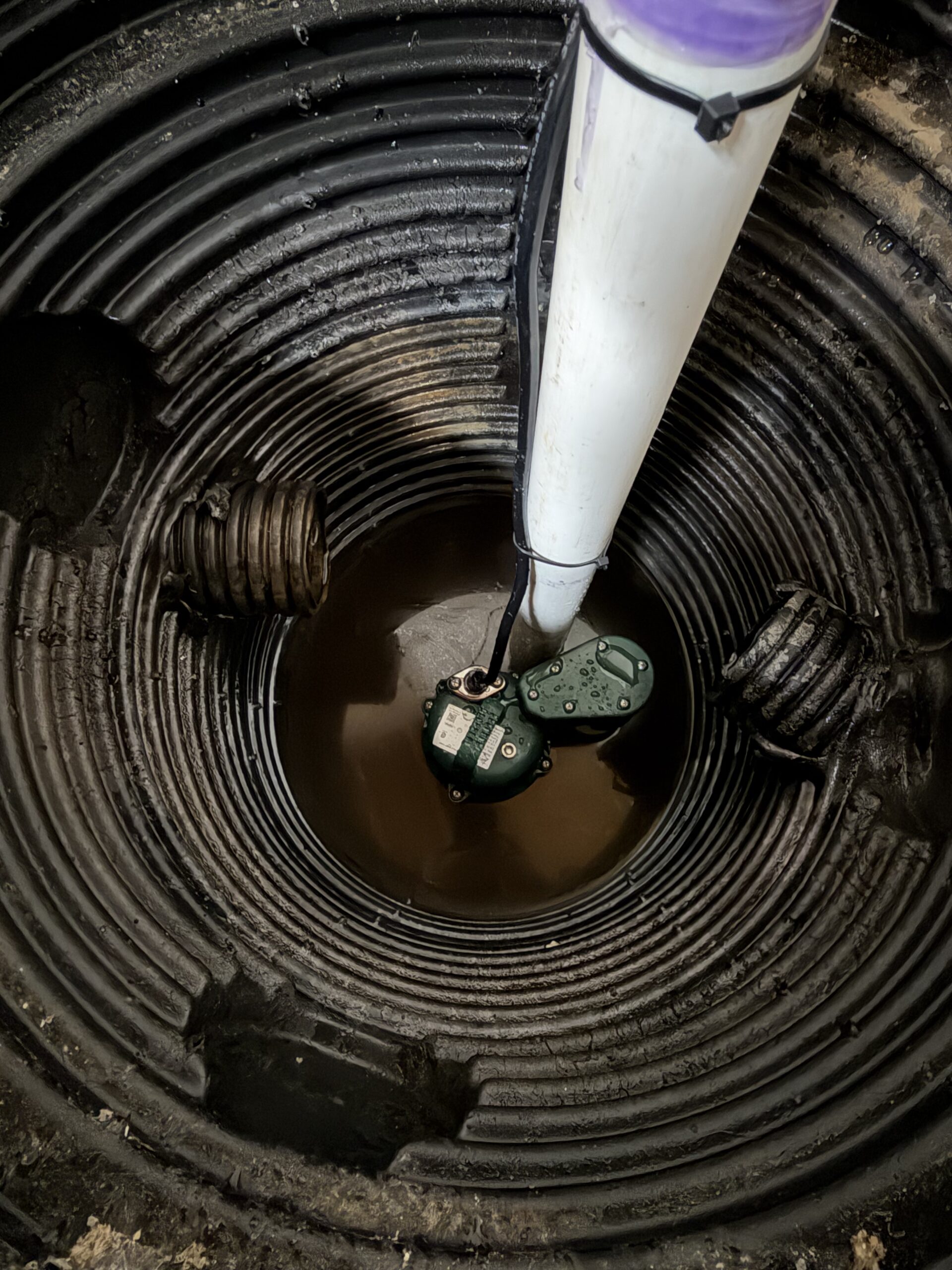
Sump Pumps & Basement Protection
Sump pump repair, replacement, battery backup systems, and flood prevention solutions.
Schedule Plumbing Service Today
Whether you’re dealing with a plumbing emergency, planning a water heater replacement, upgrading your plumbing system, or simply need a trusted local plumber, Guardian Plumbing is ready to help.
Call today to schedule service, request an estimate, or speak with a member of our team.